
DISPATCHES FROM THE WIDE, WIDE WORLD OF DIHYDROGEN MONOXIDE: The boxed water hoax: When green marketing turns toxic.
Once upon a time, choosing paper over plastic felt like a personal environmental victory. It turns out, however, that most of our early information on responsible packaging was wrong.
Plastic bags are greener when you consider all the environmental impacts of both products through a “life cycle analysis.” Measuring and comparing the total impact from production, transportation and disposal are the major determinants when comparing environmental impacts.
Enter boxed water, perhaps the greatest example of eco-theater in modern marketing. Alas, it’s mostly fiction.
These boxes are not simply made of paper. They are constructed from paperboard fused with a thin layer of aluminum to prevent leakage. That thin aluminum layer is the problem, and the lie.
To recycle the box, the paper must be separated from the aluminum. The volume of boxed water consumption is so small that most municipal recycling programs don’t find it worthwhile to employ the technology to separate the materials. In eco-conscious California, that technology is found in not one recycling facility. Zero.
A spokesperson at the uber-environment-focused Natural Resources Defense Council suggested that “it’s a little bit ludicrous to put your water in a carton and claim that that is more sustainable than putting it in a plastic bottle, which is, in fact, more readily recyclable.” The scientists at the Danish Ministry of Environment and researchers at the international consulting firm McKinsey & Co. agree that paper boxes are clear losers for the environment when compared with easily recycled plastic bottles.
The marketing of boxed water as more environmentally sound than plastic is simply false. A class-action lawsuit alleges that cartons are misleading consumers with false claims about recyclability. Here’s where the story goes from deceptive to absurd: To back up its claims, a major boxed water brand sought to justify its marketing claims through a third party. Did it turn to independent scientists or peer-reviewed environmental assessments? No. While in litigation, it agreed to rely on an analysis by the Better Business Bureau, the same organization that had been exposed for selling high ratings to small businesses.
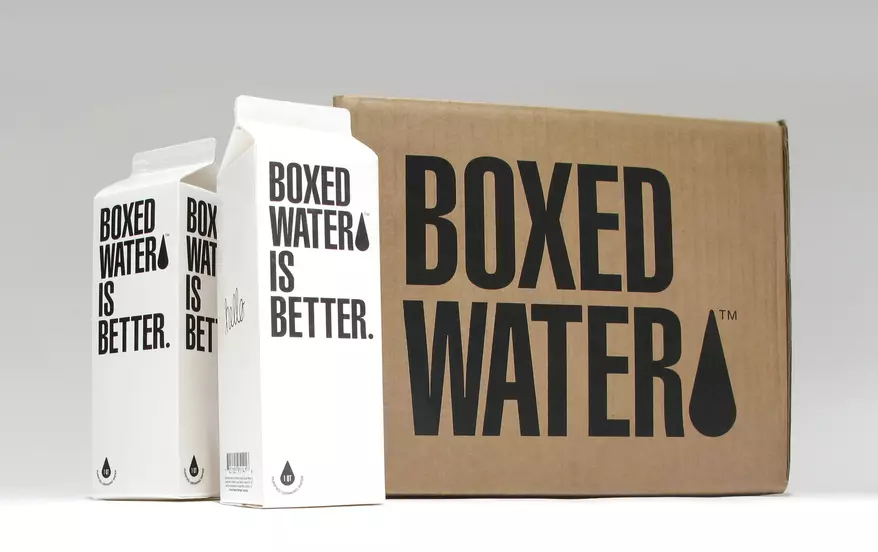
I would assume that the vast majority of America’s top water sommeliers would simply roll their eyes towards Gaia if a customer ever dared to order an infra dig boxed water to pair with their meal.