JOSEPH CAMPBELL: The Election of 1936: When ‘Democracy’ Was on the Ballot.
The text of Hearst’s speech was reprinted on election eve in his flagship newspaper, the New York American. Displayed on the American’s front page that day was an editorial that considered the specter of socialism sweeping America, should Roosevelt win reelection. The editorial made generous use of capital letters in proclaiming “voters will decide whether their country is to remain a CONSTITUTIONAL DEMOCRACY or become a SOCIALISTIC nation. Governor Landon is PLEDGED to continue the constitutional democracy founded by Washington, Jefferson and Madison.”
Only slightly less florid was the Chicago Tribune, then reliably conservative in its opinions. In a front-page editorial published the day before the election beneath the headline, “Paul Revere must ride again,” the Tribune declared, “If Landon is not elected you may have seen the last of free government as you have known it. … If you love your country and want to preserve it, see that Mr. Roosevelt is defeated.”
An editorial cartoon displayed nearby showed Roosevelt guiding a caricature of Uncle Sam, blindfolded, to the edge of a cliff marked “dictatorship.”
The day before, the Tribune said in an editorial that if reelected, Roosevelt “will do everything in the power of his dominating office to bring the people of America under the will of a President as imperious as any European dictator.”
Roosevelt scoffed at such allegations as “false issues” conjured by political foes, a tactic, he said, “as old as our democracy.”
He declared in a radio speech on election eve: “We believe in democracy because of our traditions. But we believe in it even more because of our experience. Here in the United States we have been a long time at the business of self-government.”
The election wasn’t close. Roosevelt carried 46 states, losing only Maine and Vermont, while rolling up 523 electoral votes to Landon’s eight. The Literary Digest aptly called the result a “superlandslide” for Roosevelt, a savvy liberal politician who had estimated he would win 360 electoral votes. Asked about the discrepancy between his prediction and the outcome, Roosevelt said mischievously that it could be due to “my well-known conservative tendencies.”
In the election’s aftermath, Hearst was conciliatory, if unctuously so. In a signed commentary on the front page of the American, Hearst averred that the “country is still a democracy.” Gone were references to Roosevelt as would-be dictator.
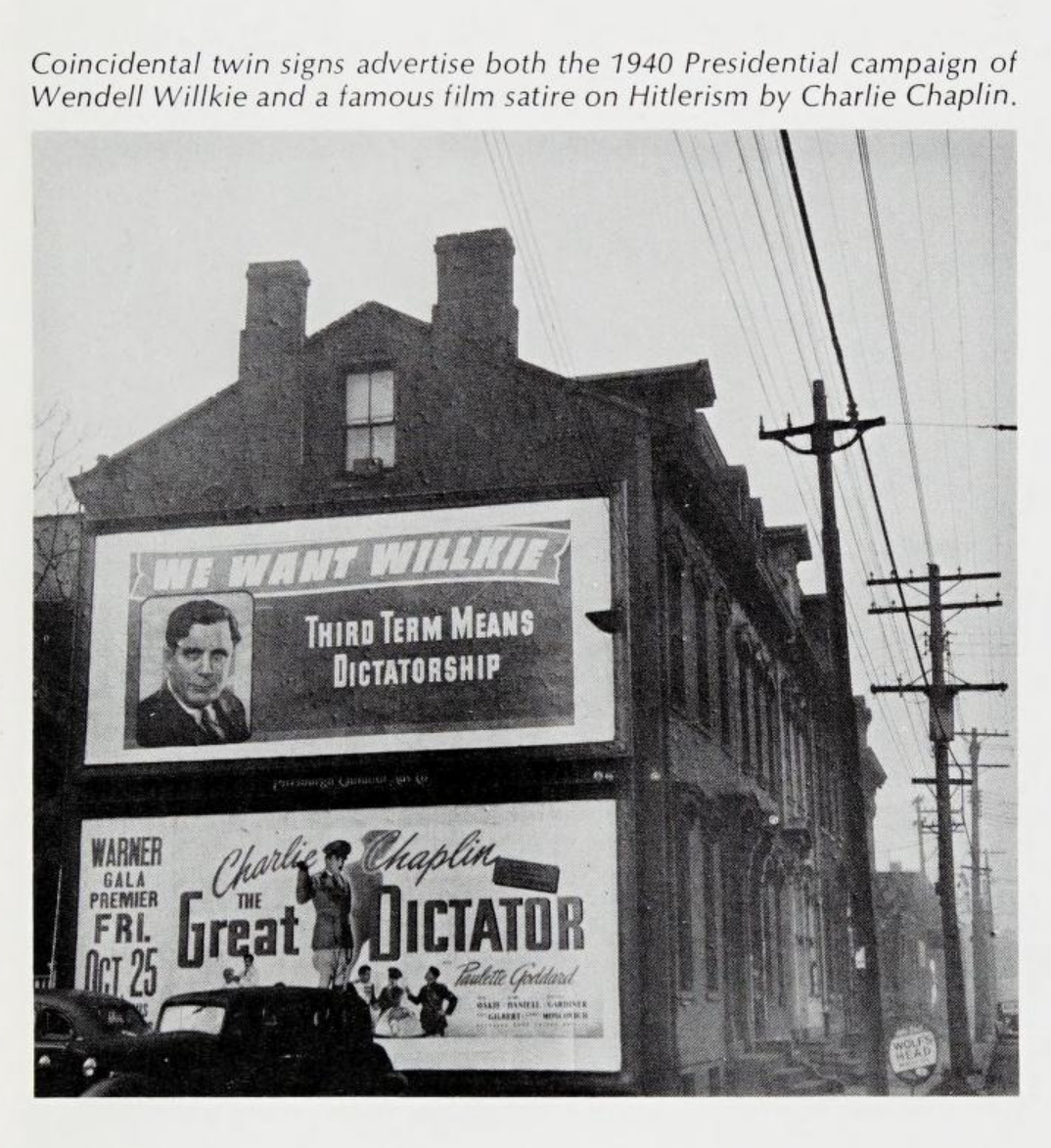
Similar fears would return four years later, ultimately leading to the passage of the 22nd Amendment: