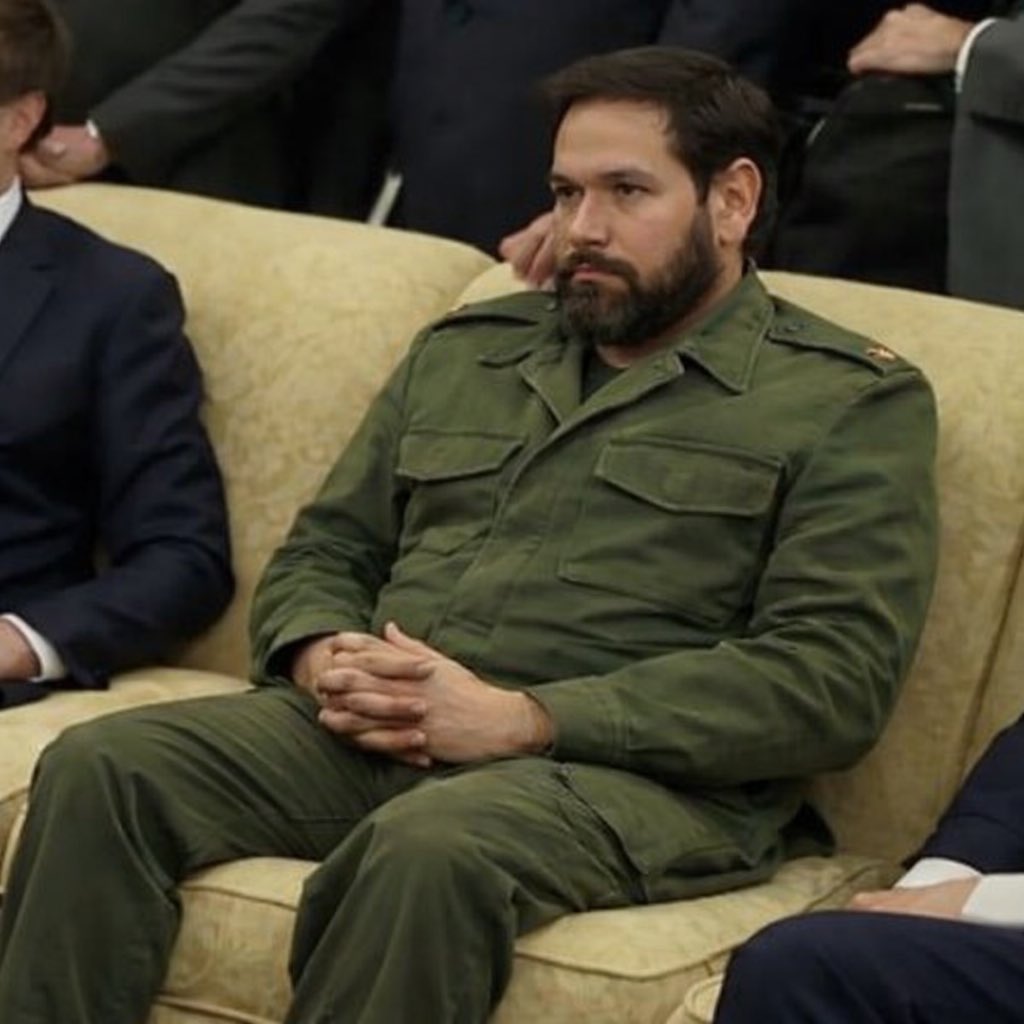
FASTER, PLEASE: U.S. moving to indict Cuba’s Raúl Castro, sources say.
The U.S. is taking steps to indict Raúl Castro, the 94-year-old former president of Cuba and brother of Fidel, in connection with the downing of planes 30 years ago, according to U.S. officials familiar with the matter.
The potential indictment — which would need to be approved by a grand jury — is expected to focus on Cuba’s deadly 1996 shootdown of planes operated by humanitarian group Brothers to the Rescue.
A Justice Department spokesperson declined to comment.
The plan comes as the U.S. heaps pressure on the Cuban government. The Trump administration has threatened heavy tariffs on any country that exports oil to Cuba, leading to energy shortages as oil shipments are largely cut off. President Trump has pressed for major reforms in Cuba and has floated a “friendly takeover” of the country.
The pressure on Cuba began to pick up in January, after the U.S. military removed Venezuelan leader Nicolás Maduro from power and flew him to New York to face drug charges. Venezuela was a key partner of Cuba’s before the operation.
Raúl Castro formally stepped down as the leader of Cuba’s Communist Party in 2021, but he is still widely seen as one of the most powerful figures in the country. His grandson Raúl Guillermo Rodríguez Castro, known as “Raulito,” is viewed as both a representative of the 94-year-old and a key point of contact between the U.S. and Cuba.
CIA Director John Ratcliffe met with the younger Castro on Thursday, following an earlier U.S. visit last month. Ratcliffe personally delivered President Trump’s message that the U.S. is “prepared to seriously engage on economic and security issues, but only if Cuba makes fundamental changes,” a CIA official said. The official added that Cuba can “no longer be a safe haven for adversaries in the Western Hemisphere.”
Related: James Piereson on JFK’s revenge. “Still, notwithstanding commentary to the contrary, it is highly likely (given the evidence) that Oswald carried out the assassination in order to protect Castro from efforts by the Kennedy administration to overthrow his regime. If this was Oswald’s purpose, then he achieved it when President Johnson chose not to follow JFK’s policy toward Cuba. With U.S. pressure withdrawn and American attention turned elsewhere, Castro (and his regime) was able to survive for decades thereafter, much as Oswald might have hoped for. Nevertheless, President Kennedy was not wrong in trying to eliminate the Cuban dictator who was a security threat to the United States. Today, six decades later, President Trump is once again using American power to topple the Communist regime in Cuba, in belated vindication of the original campaign sponsored by President John F. Kennedy.”
Soon?