
PAST PERFORMANCE IS NO GUARANTEE OF FUTURE RESULTS:
● Shot:
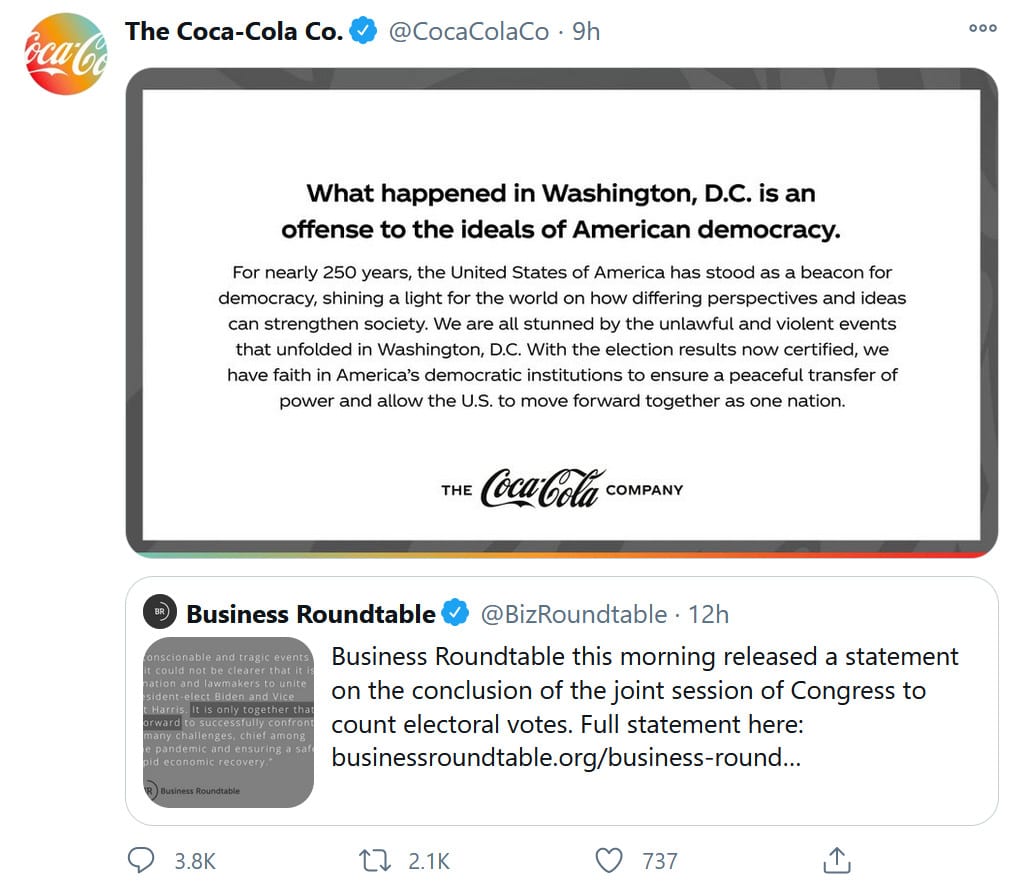
● Chaser:
Perhaps the best-known casualty of Coca-Cola’s 124-year expansion is Isidro Gil, a union leader whose face, heart, and groin absorbed a total of 10 bullets. The year was 1996. Gil had been lobbying Colombian Coke bottler Bebidas y Alimientos de Urabá for both higher wages and protection from paramilitary hit men who had already assassinated several of his associates, and who had once played soccer in the town square with an elderly man’s head. The killers had also been seen sharing Cokes with the bottling plant’s manager. In the span of a single day, they murdered Gil, burned the union hall, and forced the remaining members to resign or flee.
Was Bebidas behind the violence? Had Coke’s Atlanta headquarters known of the threat but failed to intervene? Was Coke actually responsible for Isidro Gil’s death? Michael Blanding’s The Coke Machine—part nonfiction narrative, part history of the Coca-Cola Company and the many crimes it has been accused of—works hard to provide answers. Along the way, Blanding explains how a little-known medicinal drink grew into one of the world’s most recognized brands, a symbol of both the gleaming mechanisms of free markets and the controversies they sometimes spark.
Among the other “injustices” Blanding documents in his occasionally overzealous introduction: “decimating water supplies of villagers in India and Mexico, busting up unions in Turkey and Guatemala, making kids fat throughout the United States and Europe, and hoodwinking consumers into swallowing glorified tap water marketed under its bottled water brand Dasani.” Their origin, Blanding argues, is Coke’s single-minded pursuit of profit, and he accordingly devotes the book’s first half to the evolution of the company and its brand.
—The Pause That Represses? Coca-Cola’s Controversies, The Atlantic, October 18, 2010.
● Hangover: Apple, like Coca-Cola and Nike, is lobbying against China forced-labor bill in Congress. Big companies are reportedly weighing in on legislation that would crack down on imports of goods made with forced labor.
—C/Net, December 5th, 2020.