WRITERS CALL FOR A MORE NUANCED ALTERNATIVE TO ‘CANCEL CULTURE:’
The acclaimed Nigerian novelist Chimamanda Ngozi Adichie is known for speaking her mind. And recently, she tackled one of the most controversial topics of the year, on the BBC program Newsnight. When asked about “cancel culture” – the social media trend of demanding people who say objectionable things be “de-platformed,” stripping them of speaking engagements, livelihoods and reputation – Adichie said she found it lacking in basic compassion. “In general, I think that the response to bad speech is more speech,” she said. “The problem with just sort of no-platforming people, cancelling people, sometimes for the smallest things, I think that it then makes censorship become a thing that we do to ourselves. I often wonder how many people are not saying what they think because they’re terrified. And if that’s happening, how much are we not learning? How much are we not growing?”
It’s not a new sentiment for the author, but it is one that’s found new traction in a moment when the online world feels uniquely receptive. The New York Times recently ran several pieces on how cancel culture is playing out in high schools and on campuses – including a profile of the feminist scholar Loretta J. Ross, who teaches a course at Smith College combating cancel culture, encouraging students to instead engage people they disagree with in conversation.
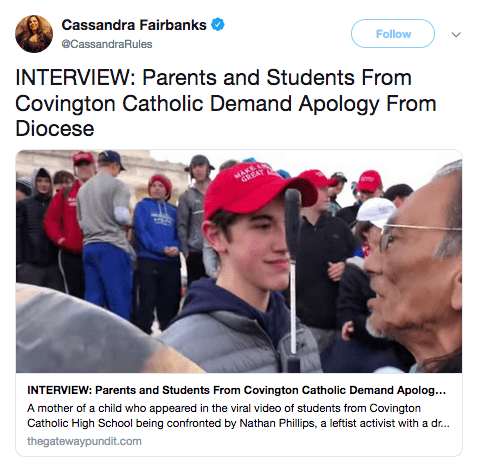
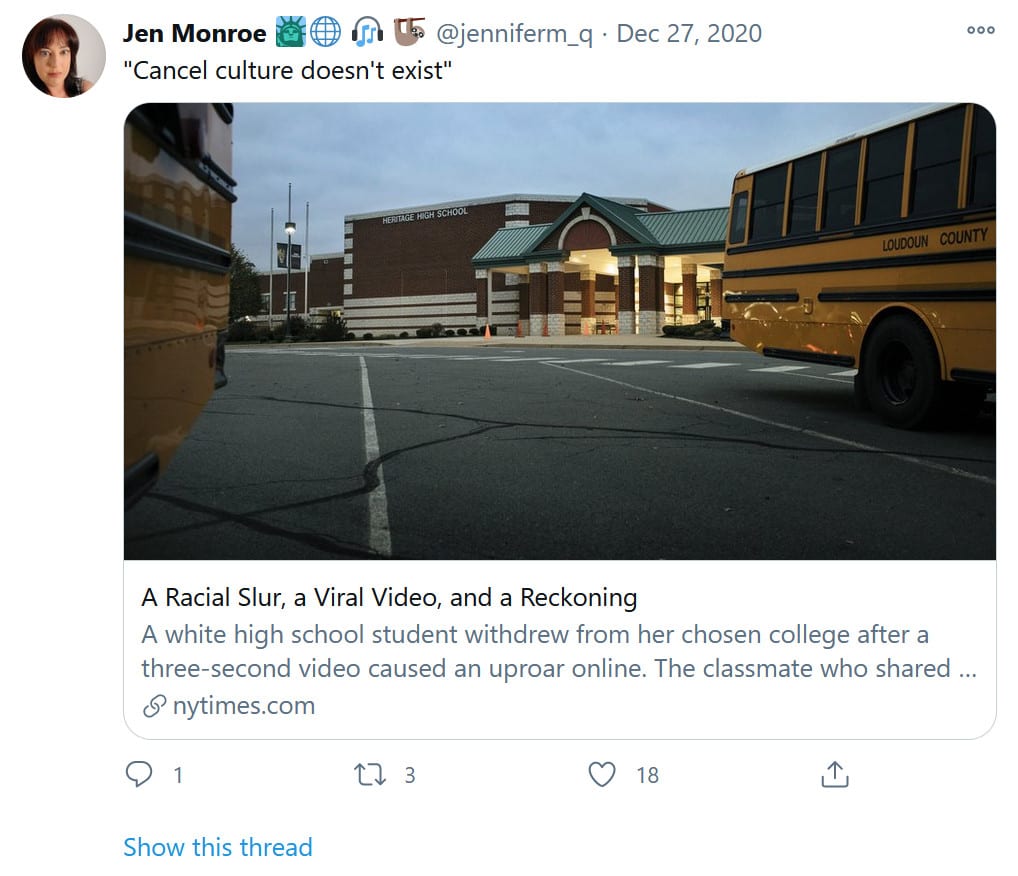
We’ll know when the DNC-MSM is serious about an alternative to cancel culture when they stop attempting to wreck the lives of high school kids and college freshmen and siccing the social media mob on them: